

Bagaimana rumah hijau pertanian menjimatkan tenaga dan planet di 2025

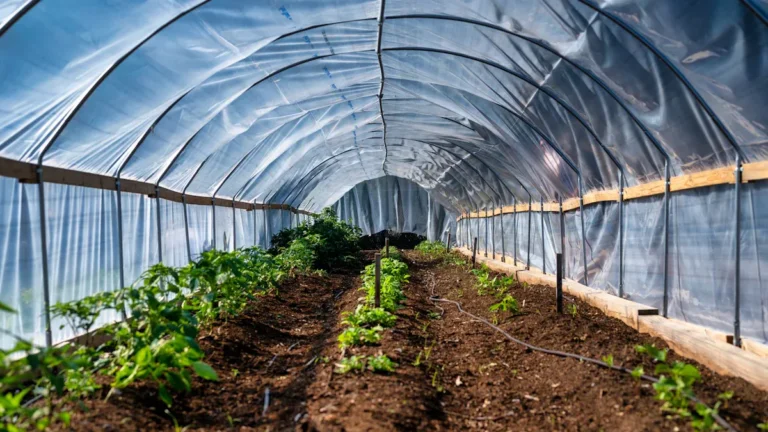
Bayangkan dunia di mana pertanian bukan sahaja menyuburkan planet tetapi juga melindungi. Rumah Hijau Plastik Rumah Hijau Pertanian mengubah visi itu menjadi realiti dengan mengintegrasikan teknologi canggih dengan amalan mesra alam. Struktur canggih ini dengan ketara mengurangkan penggunaan tenaga sambil menguruskan suhu dengan cekap, kelembapan, dan tahap CO₂. Contohnya, Mereka hanya menggunakan 162.19 kWh untuk peraturan suhu dan 84.65405 kWh untuk kawalan kelembapan-Semaya lebih rendah daripada kaedah tradisional. Dengan memeluk sistem ini, Anda bukan hanya menanam tanaman; Anda secara aktif mengurangkan pelepasan dan memupuk planet yang lebih sihat. Setiap Rumah Hijau Plastik Hijau Pertanian mewakili langkah penting ke arah masa depan yang mampan dan lebih hijau.
Takeaways utama
- Rumah hijau dalam pertanian menggunakan kurang tenaga dengan teknologi pintar.
- Using solar and wind power lowers carbon emissions by 70%.
- Smart systems control crop conditions, saving energy and boosting growth.
- Greenhouses grow food all year, cutting waste and ensuring supply.
- Farming in greenhouses helps nature and stops cutting down forests.
Energy Efficiency in Agriculture Greenhouses

Solar Energy Utilization for Heating and Lighting
Imagine harnessing the power of the sun to grow your crops while saving energy. Agriculture greenhouses are doing just that in 2025. These structures use semi-transparent photovoltaic (STPV) systems to capture sunlight and convert it into electricity. This energy powers heating and lighting systems inside the greenhouse, reducing reliance on traditional energy sources. With battery energy storage systems (BESS), you can store excess solar energy and use it during cloudy days or at night. By managing daily light integral (DLI) thresholds based on agricultural guidelines, these systems ensure your plants get the right amount of light without wasting energy. This approach not only cuts costs but also makes your greenhouse operations more sustainable.
Advanced Insulation in Plastic Green Houses
Keeping your greenhouse warm without using too much energy is easier than ever. Advanced insulation materials like aerogel, vacuum insulation panels (VIPs), and phase change materials (PCMs) are transforming how heat is managed. Aerogel, with its 90% air content, minimizes heat transfer and works perfectly in tight spaces. VIPs provide up to ten times better insulation than traditional materials, making them ideal for retrofitting greenhouses. PCMs store and release thermal energy, helping regulate indoor temperatures and reducing the need for heating and cooling systems.
Here’s how these innovations are saving energy:
- The Nexus system has cut heating energy consumption by 65% compared to conventional systems.
- Double-wall polycarbonate covers maintain stable soil temperatures, reducing fuel use.
- Under-bench insulation minimizes heat transfer, further lowering energy costs.
These advancements make Rumah Hijau Pertanian Plastic Green Houses more efficient and eco-friendly, helping you grow crops while conserving resources.
Smart Climate Control Systems for Energy Savings
Managing the climate inside your greenhouse has never been smarter. IoT-enabled sensors monitor temperature, kelembapan, and CO₂ levels in real-time. These sensors work with automated systems to adjust conditions instantly, ensuring your plants thrive without wasting energy. Contohnya, retractable shade nets and LED grow lights optimize light levels based on your crops’ needs. Energy-saving ventilation systems, like roof and sidewall vents with low-energy fans, keep the air fresh while using less power.
Recent studies show that smart climate control systems can reduce energy consumption by up to 40%. By using these technologies, you’re not just saving money—you’re also reducing your greenhouse’s environmental impact. Agriculture Greenhouse Plastic Green Houses are leading the way in combining productivity with sustainability, making it easier for you to grow crops while protecting the planet.
Integration of Renewable Energy Sources
Have you ever wondered how greenhouses can harness the power of nature to grow crops more sustainably? Dalam 2025, agriculture greenhouses are leading the way by integrating renewable energy sources. These innovations not only reduce your reliance on fossil fuels but also make your farming operations more eco-friendly and cost-effective. Let’s dive into how this works.
🌞 Solar Power: The Star Player
Solar energy takes center stage in modern greenhouses. Photovoltaic panels, often installed on greenhouse roofs, capture sunlight and convert it into electricity. This energy powers essential systems like heating, cooling, and lighting. Some greenhouses even use semi-transparent solar panels that allow sunlight to pass through while generating electricity. It’s like getting the best of both worlds—energy production and optimal light for your crops.
Petua: Pair your solar panels with battery storage systems. This way, you can store excess energy during sunny days and use it at night or on cloudy days. It’s a smart way to keep your greenhouse running smoothly 24/7.
💨 Wind Energy: A Breezy Solution
If your greenhouse is located in a windy area, wind turbines can be a game-changer. Small-scale wind turbines generate electricity to power ventilation systems and other equipment. They’re compact, efficient, and a great way to diversify your energy sources. By combining wind and solar power, you create a hybrid system that’s both reliable and sustainable.
🌱 Biomass Energy: Turning Waste into Power
Did you know you can turn organic waste into energy? Biomass systems use plant residues, manure, or other organic materials to produce heat or electricity. Contohnya, you can use crop leftovers to fuel a biomass boiler, yang kemudian memanaskan rumah hijau anda. Ini cara terbaik untuk mengitar semula sisa sambil mengurangkan kos tenaga.
🌊 Tenaga geoterma: Mengetuk ke bumi
Tenaga geoterma adalah satu lagi pilihan yang hebat untuk rumah hijau. Dengan menggunakan haba dari bawah permukaan bumi, Anda boleh mengekalkan suhu yang stabil di dalam rumah hijau anda sepanjang tahun. Pam haba geoterma sangat cekap dan dapat mengurangkan bil pemanasan anda dengan ketara. Plus, Mereka bekerja secara senyap -senyap di latar belakang, Membiarkan anda memberi tumpuan kepada menanam tanaman anda.
Kenapa pentingnya
Mengintegrasikan sumber tenaga boleh diperbaharui bukan hanya tentang menjimatkan wang -ini mengenai mewujudkan masa depan yang mampan. Dengan menggunakan solar, angin, biomassa, dan tenaga geoterma, Anda mengurangkan jejak karbon anda dan membantu memerangi perubahan iklim. You’re also making your greenhouse more resilient to energy price fluctuations.
Nota: Studies show that greenhouses using renewable energy can cut their carbon emissions by up to 70%. That’s a huge win for the planet and your wallet. 🌍
So, what’s stopping you? With these renewable energy options, you can transform your greenhouse into a powerhouse of sustainability. It’s time to embrace the future of farming and make a positive impact on the planet.
Environmental Sustainability Through Greenhouses

Reducing Carbon Footprint with Controlled Environments
Greenhouses are game-changers when it comes to reducing your carbon footprint. By creating controlled environments, they optimize energy use and minimize waste. Contohnya, energy-efficient LEDs in greenhouses have improved efficiency from 52% kepada 75%, cutting energy consumption by hingga 21%. Moderate Daily Light Integral (DLI) levels further reduce energy needs by 20%. Water cooling systems for LEDs and advanced climate control systems also play a big role, slashing energy use by up to 23% dan 60%, respectively.
Here’s a quick look at how these metrics contribute to energy savings:
| Metrik | Penerangan | Energy Reduction |
|---|---|---|
| Energy-efficient LEDs | Increased efficiency from 52% kepada 75% | Hingga 21% |
| Moderate Daily Light Integral (DLI) | Less energy required at lower DLI levels | Hingga 20% |
| Water cooling for LEDs | Reduced energy consumption | Hingga 23% |
| Climate control system | Optimizes yield and energy | Hingga 60% |
| Energy efficiency strategies | Savings depend on current strategies | Variable |

By using these technologies, you’re not just growing crops—you’re actively contributing to a cleaner, greener planet. Every Agriculture Greenhouse Plastic Green House is a step toward a sustainable future.
Here’s a comparison to help you understand:
| Criteria | Hydroponics | Traditional Farming |
|---|---|---|
| Water and Resource Usage | Uses less water but may require more energy. | Higher water usage and less energy-efficient. |
Greenhouses also have a smaller land footprint. You can grow more crops in less space, thanks to vertical farming and optimized layouts. This means you’re not only saving water but also preserving valuable land resources. By choosing greenhouse farming, you’re making a smart choice for the environment.
Year-Round Crop Production to Minimize Food Waste
One of the biggest advantages of greenhouses is their ability to produce crops all year round. Unlike traditional farming, which depends on seasons, greenhouses provide a stable environment for continuous growth. This means you can meet demand without overproducing or wasting food.
Think about it—when crops are grown seasonally, Lebihan penuaian sering membazir. Rumah hijau menyelesaikan masalah ini dengan membolehkan anda berkembang hanya jumlah yang betul, Tepat ketika diperlukan. Plus, dengan persekitaran terkawal, anda boleh mengurangkan kerosakan yang disebabkan oleh perosak atau cuaca yang melampau.
Dengan meminimumkan sisa makanan, Anda bukan hanya menjimatkan sumber -anda juga mengurangkan pelepasan gas rumah hijau daripada menguraikan bahan organik. Ini menang-menang untuk anda dan planet.
Menyokong biodiversiti dan mengurangkan penebangan hutan
Adakah anda tahu bahawa rumah hijau pertanian memainkan peranan penting dalam melindungi biodiversiti dan mengurangkan penebangan hutan? Struktur inovatif ini mewujudkan keadaan menang-menang untuk pertanian dan persekitaran. Mari kita meneroka bagaimana mereka membuat perbezaan.
🌱 Mewujudkan tempat perlindungan yang selamat untuk biodiversiti
Rumah hijau menyediakan persekitaran terkawal di mana tumbuh -tumbuhan dapat berkembang tanpa ancaman perosak, penyakit, atau cuaca yang melampau. Ini bermaksud anda boleh menanam pelbagai jenis tanaman, termasuk spesies tumbuhan yang jarang berlaku atau terancam, dengan cara yang selamat dan mampan. Dengan memupuk tanaman yang pelbagai, Anda bukan hanya meningkatkan hasil anda -anda juga menyokong biodiversiti.
Fakta gembira: Beberapa rumah hijau juga berfungsi sebagai hab penyelidikan untuk memelihara spesies tumbuhan yang terancam. Bayangkan menjadi sebahagian daripada pergerakan yang menjimatkan tumbuh -tumbuhan dari kepupusan!
Di samping itu, rumah hijau mengurangkan keperluan racun perosak dan herba yang berbahaya. Ini membantu melindungi pendebunga seperti lebah dan rama -rama, yang penting untuk mengekalkan ekosistem yang sihat. By choosing greenhouse farming, Anda mewujudkan tempat perlindungan untuk makhluk -makhluk penting ini.
🌳 Mengurangkan keperluan untuk penebangan hutan
Traditional farming often requires clearing large areas of land, leading to deforestation and habitat loss. Greenhouses, Sebaliknya, maximize land use efficiency. With vertical farming and compact layouts, you can grow more crops in less space. This means fewer forests need to be cut down to make room for agriculture.
Here’s how greenhouses help combat deforestation:
- Efficient Land Use: Vertical farming allows you to grow crops in layers, reducing the need for expansive farmland.
- Year-Round Production: Continuous crop cycles eliminate the need to clear new land for seasonal farming.
- Urban Farming: Greenhouses can be set up in urban areas, reducing the pressure on rural forests.
Petua: By adopting greenhouse farming, you’re not just growing food—you’re also preserving forests and the countless species that call them home. 🌳
🌍 A Step Toward a Greener Planet
When you choose greenhouse farming, you’re actively contributing to global conservation efforts. Forests act as the planet’s lungs, absorbing carbon dioxide and releasing oxygen. By reducing deforestation, you’re helping combat climate change and ensuring a healthier planet for future generations.
Nota: Studies show that deforestation accounts for nearly 10% of global greenhouse gas emissions. Greenhouses offer a sustainable alternative that can significantly lower this number.
Kenapa pentingnya
Supporting biodiversity and reducing deforestation isn’t just about saving the environment—it’s about creating a sustainable future for everyone. Greenhouses empower you to grow food responsibly while protecting the planet’s natural resources.
So, the next time you think about farming, remember this: every greenhouse you build is a step toward a greener, more biodiverse world. 🌿
Agriculture Greenhouses and Climate Change Solutions

Adapting to Extreme Weather Conditions
Weather extremes are becoming more common, but greenhouses offer a reliable solution. These structures shield your crops from unpredictable conditions like heavy rain, drought, or frost. With smart climate control systems, you can maintain stable temperatures and humidity levels, even during heatwaves or cold snaps. This means your plants stay healthy and productive, no matter what’s happening outside.
Greenhouses also help you prepare for long-term climate shifts. Contohnya, retractable shade nets protect crops from excessive sunlight, while energy-efficient ventilation systems keep the air fresh during warmer seasons. You can even use geothermal heating to maintain consistent temperatures during colder months. By adapting to these changes, you’re not just growing food—you’re building resilience against climate challenges.
Reducing Fossil Fuel Dependence in Farming
Traditional farming often relies on fossil fuels for machinery, pengairan, and transportation. Greenhouses are changing that. By integrating renewable energy sources like solar panels and wind turbines, you can power your greenhouse without relying on non-renewable resources.
Contohnya, solar panels on greenhouse roofs generate electricity for heating and lighting systems. Wind turbines can provide additional energy for ventilation. Biomass systems let you recycle organic waste into heat or electricity, reducing your dependence on fossil fuels even further. These innovations don’t just cut costs—they also lower greenhouse gas emissions, helping you farm sustainably.
Switching to renewable energy in your greenhouse is a win-win. You save money on energy bills while reducing your environmental impact. It’s a step toward a cleaner, greener future.
Promoting Local Food Systems to Cut Emissions
Local food systems are often praised for their environmental benefits, but the reality is more nuanced. While shorter transportation distances reduce emissions, transportation only accounts for about 11% of agriculture’s greenhouse gas output. Most emissions—over 60%—come from food production, processing, and packaging.
That’s where greenhouses shine. By growing crops locally in controlled environments, you can minimize waste during production and packaging. Vertical farming and hydroponics in greenhouses also use resources more efficiently, reducing the overall environmental footprint.
Walau bagaimanapun, transportation methods matter too. Large-scale food systems often use shipping and rail, which produce fewer emissions than the short trips involved in local food systems. To truly cut emissions, focus on efficient transportation alongside sustainable farming practices.
Greenhouses empower you to grow food responsibly while supporting local communities. They’re not just about reducing emissions—they’re about creating a balanced, sustainable food system for the future. 🌱
Enhancing Food Security Amid Climate Challenges
Have you ever wondered how we can ensure a steady food supply when the climate keeps throwing curveballs? Agriculture greenhouses are stepping up to the plate, offering a reliable solution to feed the world even during unpredictable times. Let’s explore how they’re making a difference.
🌾 Stable Food Production, No Matter the Weather
Greenhouses create a controlled environment where crops can thrive year-round. Extreme weather like droughts, floods, or heatwaves won’t disrupt your harvest. You can grow fruits, vegetables, and even herbs without worrying about the seasons. This stability ensures that food remains available, even when outdoor farming faces challenges.
Did you know? Greenhouses can increase crop yields by up to 50% compared to traditional farming. That’s a game-changer for food security!
💧 Penggunaan sumber yang cekap
Kekurangan air adalah kebimbangan yang semakin meningkat, Tetapi rumah hijau anda telah dilindungi. Dengan sistem pengairan hidroponik dan titisan, anda akan menggunakan sehingga 90% kurang air daripada pertanian tradisional. Plus, Sistem ini menyampaikan nutrien terus ke tanaman, meningkatkan pertumbuhan semasa memelihara sumber.
🥗 Pilihan tanaman yang pelbagai
Rumah hijau membiarkan anda menanam pelbagai tanaman, termasuk mereka yang mungkin tidak dapat bertahan dalam iklim tempatan anda. Mahu menanam buah -buahan tropika di kawasan yang sejuk? Tiada masalah! Kepelbagaian ini membantu memenuhi keperluan pemakanan komuniti dan mengurangkan pergantungan pada makanan yang diimport.
🌍 penyelesaian global
Ketidakpastian makanan menjejaskan berjuta -juta, Tetapi rumah hijau menawarkan harapan. Dengan mengadopsi teknologi ini, Anda bukan hanya memberi makan keluarga anda -anda menyumbang kepada usaha global untuk memerangi kelaparan. Bayangkan dunia di mana setiap komuniti mempunyai akses kepada segar, makanan tempatan. Rumah hijau menjadikan penglihatan itu mungkin.
Petua: Mulakan kecil dengan rumah hijau modular dan skala apabila anda melihat kejayaan. Setiap langkah dikira ke arah masa depan makanan yang lebih selamat.
So, Adakah anda bersedia mengawal bekalan makanan anda dan menangani cabaran iklim? Rumah hijau ada di sini untuk membantu anda tumbuh lebih cerah, masa depan yang lebih mampan. 🌱
Inovasi dalam teknologi rumah hijau di 2025

Rumah hijau pintar IoT dan AI
Bayangkan rumah hijau yang berfikir untuk dirinya sendiri, menyesuaikan syarat untuk memberikan tanaman anda persekitaran yang sempurna. Itulah yang dibawa oleh IoT dan AI Greenhouse pintar ke meja. These systems use sensors to monitor temperature, kelembapan, and CO₂ levels in real time. They then use AI to analyze this data and make instant adjustments. Contohnya, if the temperature rises too high, the system can activate cooling fans or adjust shade nets automatically.
This technology doesn’t just make your life easier—it also saves energy. AI-powered energy management can cut energy consumption by up to 15%. That means lower costs for you and a smaller environmental footprint. Plus, these systems support ideal micro-climate conditions, improve irrigation and fertilization, and even help prevent disease outbreaks.
Here’s a quick look at how these systems perform:
| Metrik | Nilai |
|---|---|
| Optimal fitness values | ~97% |
| Average communication rate | >99% |
| Average relative error | Low level |
With these innovations, you’re not just growing crops—you’re growing smarter.
Vertical Farming and Space Optimization
What if you could grow the same amount of food on a fraction of the land? Vertical farming makes that possible. By stacking crops in layers, you can maximize space inside your greenhouse. This method is perfect for urban areas where land is limited.
Vertical farming doesn’t just save space—it also uses resources more efficiently. Contohnya, it requires only 1% of the land and 5% of the water compared to traditional farming. A single vertical farm can produce the equivalent of 4-6 acres of outdoor farmland while saving 90% of the space.
| Metrik | Nilai |
|---|---|
| Land Usage | 1% of conventional agriculture |
| Water Usage | 5% of conventional agriculture |
| Equivalent Production | 4-6 acres of outdoor farmland |
| Space Savings | 90% of space saved |
By adopting vertical farming, you’re not just optimizing space—you’re revolutionizing how we grow food.
Sustainable Materials in Plastic Green House Construction
Sustainability starts with the materials you use. Modern Agriculture Greenhouse Plastic Green Houses are built with eco-friendly materials like recycled plastics and biodegradable films. These materials are durable, ringan, and designed to last for years.
Hot-dip galvanized steel frames provide strength and resist corrosion, ensuring your greenhouse stands the test of time. Using sustainable materials doesn’t just reduce waste—it also lowers the carbon footprint of construction. By choosing these materials, you’re making a commitment to the planet while enjoying a reliable and efficient greenhouse.
So, when you think about building or upgrading your greenhouse, remember this: the materials you choose today shape the future of farming tomorrow.
Public-Private Partnerships for Greenhouse Expansion
Have you ever wondered how agriculture greenhouses are growing so rapidly in 2025? Public-private partnerships (PPPs) are playing a huge role in making this happen. These collaborations bring together governments, private companies, and even local communities to fund and expand greenhouse projects. Let’s break down why this matters and how it works.
🤝 Why Public-Private Partnerships Work
PPPs combine the strengths of both sectors. Governments provide funding, land, and policy support, while private companies bring innovation, technology, and expertise. Together, they create a win-win situation that benefits everyone. Here’s how:
- Access to Funding: Governments offer grants or subsidies, reducing the financial burden on private investors.
- Technology Sharing: Private companies introduce cutting-edge tools like IoT sensors and AI systems.
- Job Creation: These projects generate employment opportunities in construction, farming, and tech development.
Petua: If you’re a farmer or entrepreneur, look for local PPP programs. They often provide resources and training to help you get started.
🌍 Real-World Examples
Countries worldwide are embracing PPPs to expand greenhouse farming. Contohnya:
- The Netherlands: Known for its advanced greenhouses, the government partners with private firms to develop energy-efficient systems.
- India: PPPs focus on affordable greenhouses for small-scale farmers, boosting local food production.
- United States: State governments collaborate with tech companies to build smart greenhouses in urban areas.
🚀 The Bigger Picture
PPPs don’t just build greenhouses—they build futures. They make sustainable farming accessible, reduce food insecurity, and promote eco-friendly practices. By supporting these partnerships, you’re contributing to a greener, more resilient planet.
So, what do you think? Could a PPP be the key to your next big farming project? 🌱
Greenhouses as Pillars of Sustainable Living

Empowering Communities with Local Food Systems
Greenhouses are transforming how communities access fresh, local food. By growing crops closer to home, you reduce the need for long-distance transportation. This means fresher produce for your table and fewer emissions polluting the air. Imagine walking to a nearby greenhouse to pick up vegetables grown just a few miles away. That’s the power of local food systems.
These systems also strengthen community bonds. Farmers can sell directly to neighbors, creating a sense of connection and trust. Urban areas benefit too. Greenhouses can be built on rooftops or vacant lots, turning unused spaces into thriving food hubs. You’re not just feeding your family—you’re supporting a sustainable, local economy.
Educating the Public on Sustainable Agriculture
Greenhouses are more than just places to grow food. They’re classrooms for sustainable living. Many greenhouses host workshops and tours to teach people about eco-friendly farming practices. You can learn about hydroponics, vertical farming, and how to reduce water waste.
Schools are also getting involved. Imagine students visiting a greenhouse to see how food grows and learning why sustainability matters. These experiences inspire the next generation to care for the planet. By educating the public, greenhouses help create a culture of environmental responsibility.
Petua: Look for local greenhouses offering educational programs. It’s a fun way to learn and make a difference!
Creating Green Jobs and Economic Opportunities
Greenhouses are driving job growth in the environmental sector. Since 2019, green jobs have increased by 50%. Careers like wind turbine technicians and solar installers are growing faster than the national average. Contohnya, wind turbine technician jobs are projected to grow by 44.3% by 2031.
The Agriculture Greenhouse Plastic Green House industry also creates opportunities in construction, farming, and technology. From building structures to managing IoT systems, there’s a role for everyone. Climate investments, expected to exceed $2.5 trillion in the next decade, will only expand these opportunities.
By supporting greenhouses, you’re not just helping the environment—you’re boosting the economy and creating a brighter future for workers everywhere.
Inspiring Global Adoption of Eco-Friendly Farming Practices
Have you ever thought about how your farming choices could inspire others around the world? Agriculture greenhouses are paving the way for eco-friendly farming practices that are not only sustainable but also globally impactful. By adopting these methods, you’re setting an example for others to follow.
One of the most effective ways to promote eco-friendly farming is by embracing sustainable practices. These methods protect the environment while boosting productivity. Contohnya:
- Crop rotation improves soil health and keeps ecosystems balanced.
- Cover crops enhance soil fertility and prevent erosion.
- No-till systems reduce soil degradation and increase carbon storage.
- Integrated pest management minimizes chemical use and supports biodiversity.
- Agroforestry strengthens resilience to climate change and promotes biodiversity.
- Precision farming optimizes resources and increases yields.
| Sustainable Practices | Faedah |
|---|---|
| Crop rotation | Protects ecosystem and improves soil health |
| Cover crops | Enhances soil fertility and reduces erosion |
| No-till systems | Increases carbon sequestration and reduces soil degradation |
| Integrated pest management | Reduces chemical use and promotes biodiversity |
| Agroforestry | Enhances biodiversity and improves resilience to climate change |
| Precision farming | Optimizes resource use and increases productivity |
Governments and organizations worldwide are also stepping up to encourage these practices. They’re combining traditional incentives with innovative strategies to foster commitment to sustainable farming. Contohnya, many family farms are adopting Community Supported Agriculture (CSA) programs. These programs connect farmers directly with consumers, creating a sense of shared responsibility for the environment.
Petua: If you’re a farmer, consider joining a CSA program. It’s a great way to build community support while practicing eco-friendly farming.
Your efforts don’t just benefit your farm—they inspire others to take action. When you adopt sustainable practices, you show the world that farming can be both productive and environmentally responsible. Together, we can create a global movement toward a greener future. 🌍
Agriculture greenhouses are shaping a sustainable future in 2025. They help you conserve resources, reduce emissions, and tackle climate challenges head-on. Tools like COMET-Farm estimate greenhouse gas emissions, while carbon credit markets encourage eco-friendly practices.
| Evidence | Penerangan |
|---|---|
| On-farm Research | Secure databases validate climate-smart agricultural models. |
| Decision Support Tools | Tools like COMET-Farm estimate GHG emissions and soil carbon sequestration. |
| Economic Incentives | Carbon credit markets motivate climate-friendly farming practices. |
By embracing these innovations, you’re not just growing crops—you’re growing a healthier planet. 🌱
Soalan Lazim
What makes agriculture greenhouses energy-efficient?
Greenhouses use smart systems like IoT sensors and renewable energy sources. Solar panels, wind turbines, and advanced insulation reduce energy consumption. These features help you save up to 40% on energy costs while keeping your crops healthy year-round.
Petua: Pair solar panels with battery storage for maximum efficiency during cloudy days or nighttime.
Can greenhouses really help combat climate change?
Absolutely! Greenhouses reduce carbon emissions by using renewable energy and minimizing waste. Controlled environments optimize resources like water and land, cutting down on deforestation and pollution. By adopting greenhouse farming, you’re actively contributing to a greener planet.
Are greenhouses suitable for small-scale farming?
Ya, they’re perfect for small-scale farming. Modular designs let you customize greenhouse sizes, starting as small as 50㎡. You can grow vegetables, herbs, or flowers in compact spaces while enjoying year-round production.
Nota: Small greenhouses are ideal for urban areas or backyard farming.
How do greenhouses support biodiversity?
Greenhouses create safe spaces for diverse crops and protect pollinators like bees. They reduce the need for harmful pesticides, preserving ecosystems. By growing rare plants, you’re also helping maintain biodiversity and supporting environmental balance.
What crops can I grow in a greenhouse?
You can grow almost anything! From tomatoes and cucumbers to exotic fruits and flowers, greenhouses provide the perfect environment. Hydroponics and vertical farming let you grow even more in less space.
Fakta gembira: Greenhouses allow you to grow tropical fruits in cold climates.


[…] about your budget and how much care the system needs. Modern systems like DianHuai save money over time and need less […]